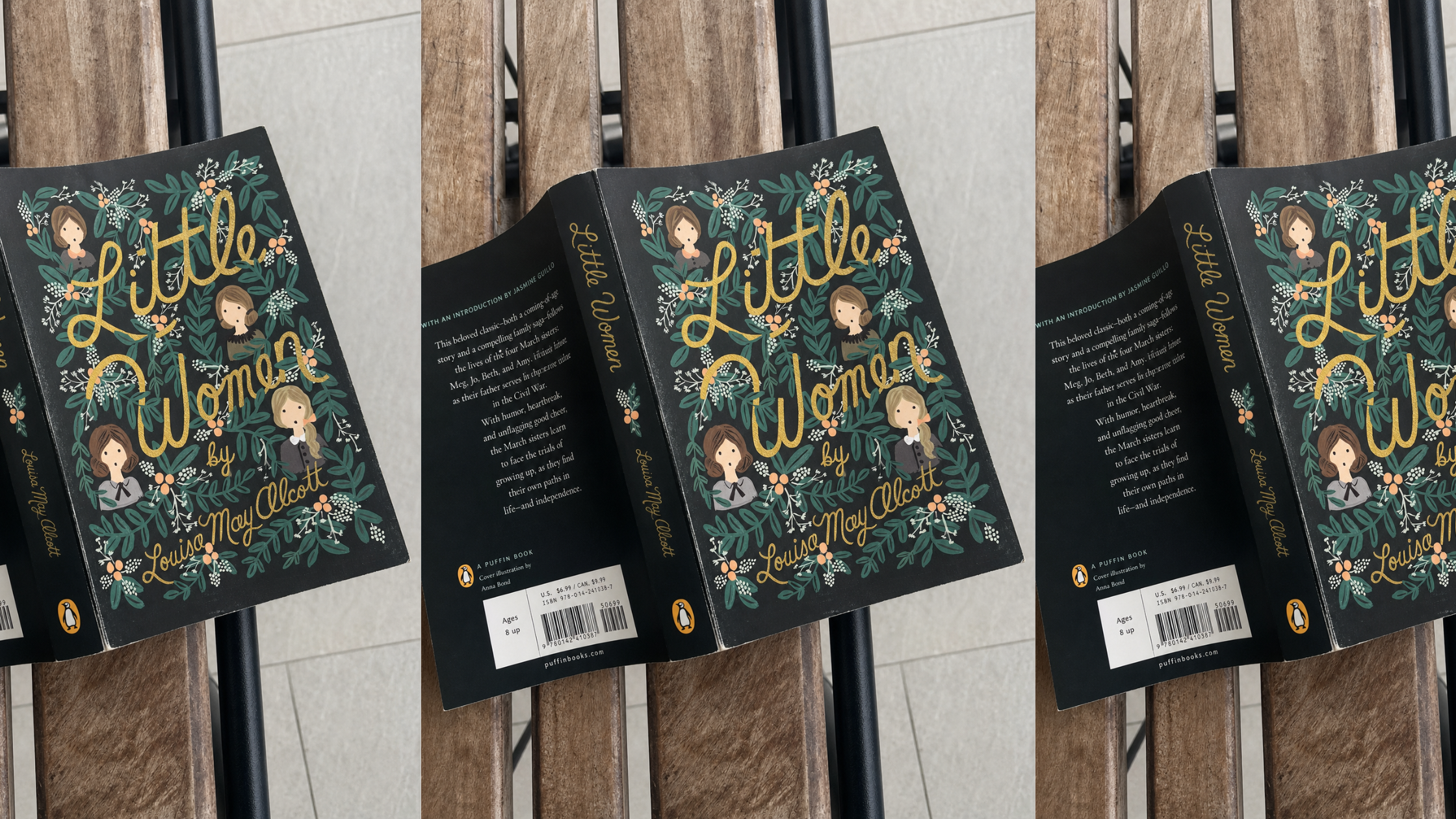
Little Women by Louisa May Alcott Is Still the Most Accurate Book About Being a Girl
If you read Little Women by Louisa May Alcott at 12, you thought you were Jo.
Feral, ambitious, cutting your bangs in the bathroom mirror, writing stories no one asked for. Jo was the only one who made sense.
If you reread Little Women by Louisa May Alcott at 22, you realize you're all four March sisters in one very chaotic week. You're Meg on Monday when you want a soft, pretty, stable life. You're Jo on Tuesday when you're in your ambition era. You're Beth on Wednesday when you have to log off and touch grass. And you're Amy on Thursday when you finally admit you want the nice things and you're not sorry about it.
Louisa May Alcott wrote it in 1868. Set it during the Civil War. Wrote it in 10 weeks because she needed money. And somehow she still wrote the exact blueprint for your group chat, your career crisis, your situationship, and your sisterhood.
That's why we still search for it.
Who Are the March Sisters Really?
Not the SparkNotes version. The real ones.
Meg March
The Soft Life Girl Before Soft Life Was a Thing:
Meg is 16 when we meet her and she's already tired of being poor. She wants silk dresses and a nice house and a husband who actually likes her. Teachers called her vain for that. Readers called her boring because she didn't want to be Jo.
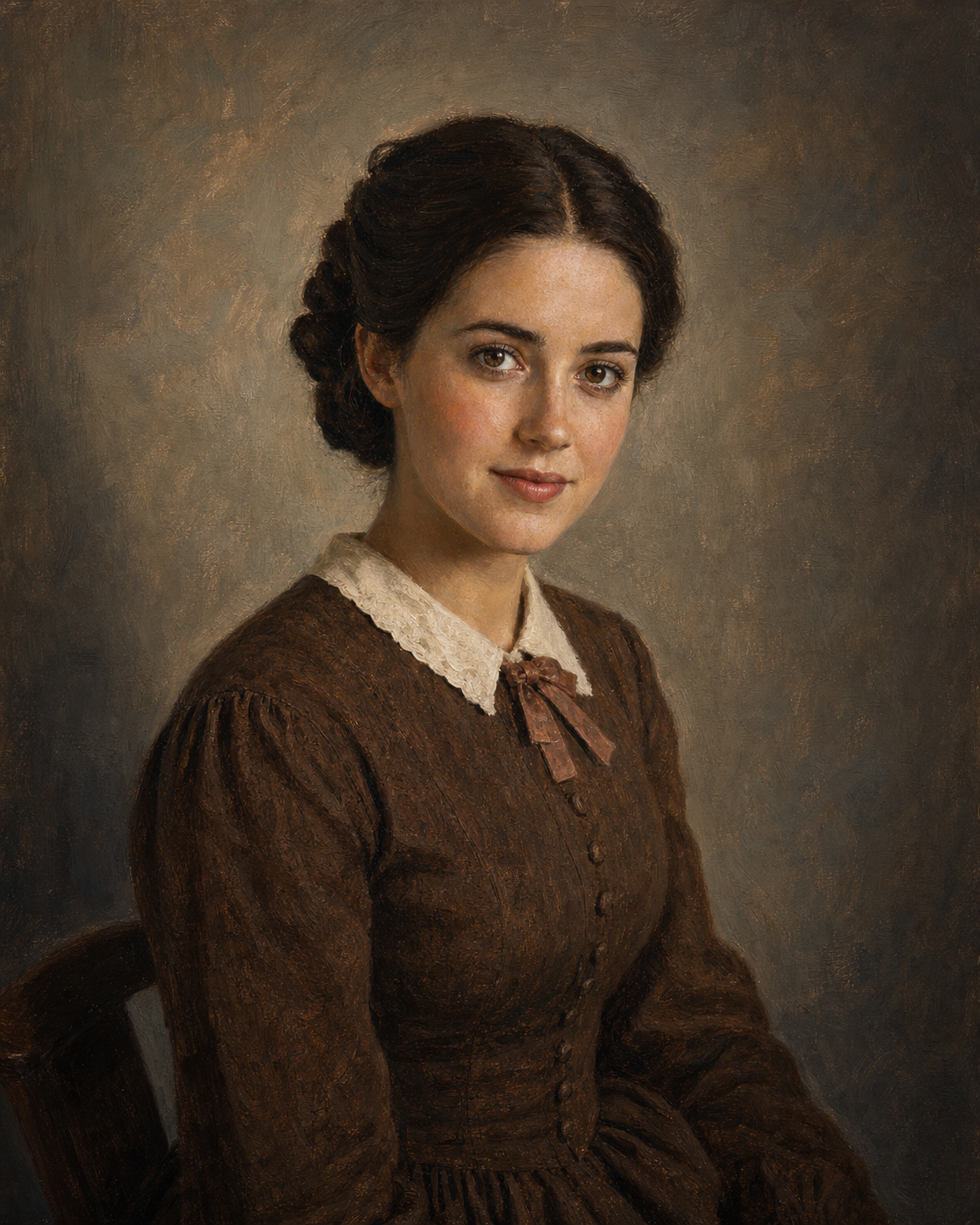
Rereading Little Women by Louisa May Alcott as an adult, Meg is radical. She's the first March sister to say, "I don't want to struggle forever to prove I'm interesting. I want comfort. I want love that feels safe. I want a home." She marries John Brooke, who is poor, and she learns how to make a $50 budget work and still be depressed about it. That chapter where she buys the expensive silk? That's every girl who ever bought the dress she couldn't afford because she was tired of feeling like the broke friend.
She's not the boring sister. She's the one who chose peace over performance.
Jo March
The Ambitious One Who Won't Settle
Jo is Alcott herself. Loud, messy, ambitious, queer-coded, angry that she was born a woman in 1868 because she wanted to go to war and write and be rich and independent.

Jo's arc in Little Women by Louisa May Alcott is not "will she get married?" It's "will she get to keep her ambition and still be loved?" She moves to New York alone. She writes trashy stories for money. She gets rejected constantly. She watches her sister get sick. She says no to Laurie — the boy everyone wanted her to end up with — because she knows she doesn't love him like that and she won't marry for convenience.
If you have ever been the ambitious friend in your friend group, you are Jo. If you've ever chosen your career over a boy who liked you, you are Jo. If you've ever cut your hair off after a breakup or a breakthrough, you are Jo.
Beth March
The Boundaried Introvert Everyone Underestimates
Beth is 13, quiet, plays piano, stays home. In most summaries she's just "kind and selfless" and then she dies. That's a lazy reading.
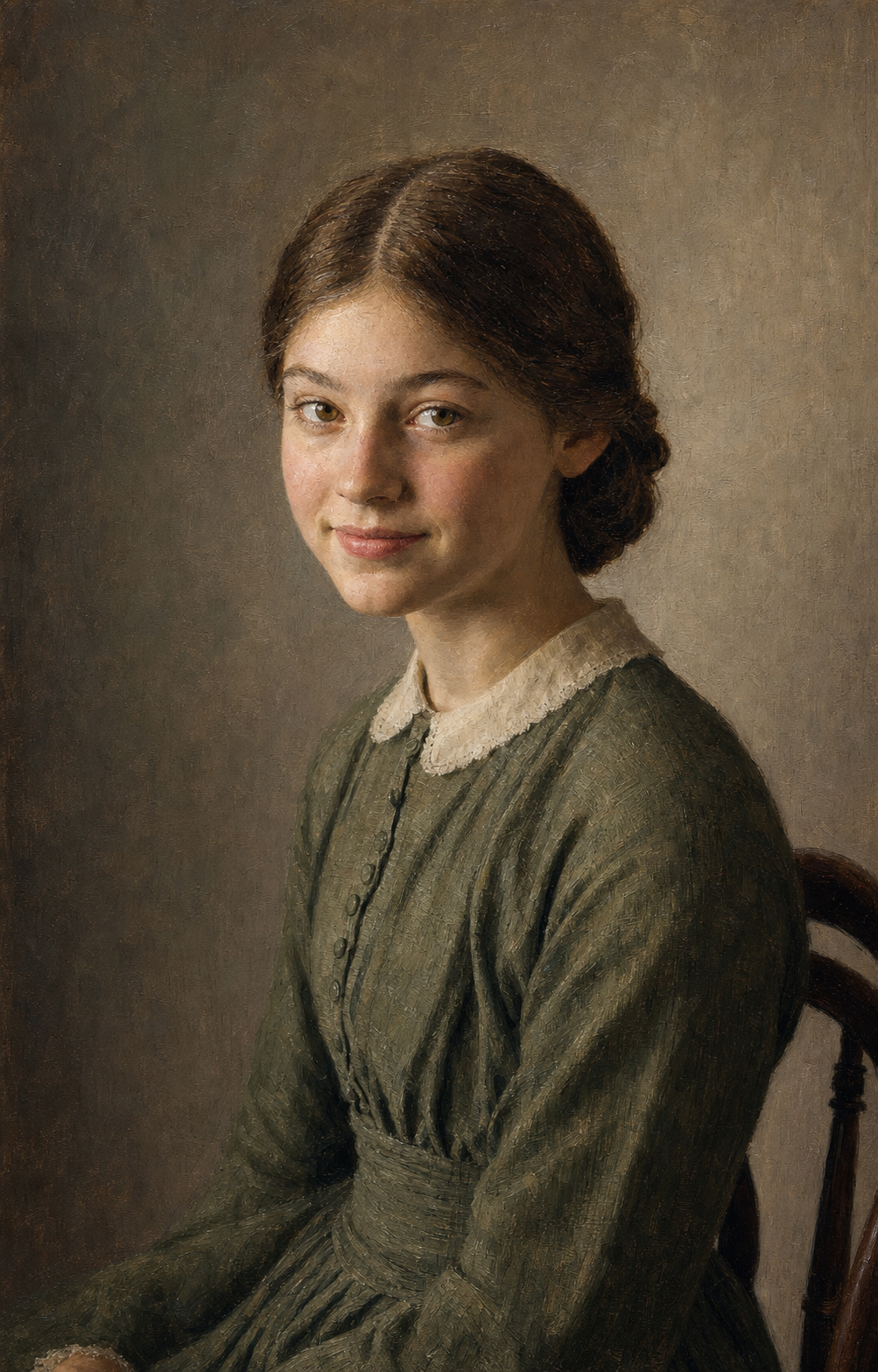
Beth is the girl who knows her capacity and doesn't push past it. She doesn't want to go to parties. She doesn't want to hustle. She wants to be at home with her family and her music. In Little Women by Louisa May Alcott, Beth is the only one who never tries to be someone else. That's not weakness. That's self-knowledge.
In 2026 we call it boundaries. We call it protecting your energy. Beth had it first.
Amy March
The Girl Everyone Hated Until They Grew Up
Amy burns Jo's manuscript at 12 years old. Unforgivable. Every reader under 18 hates Amy forever for that.
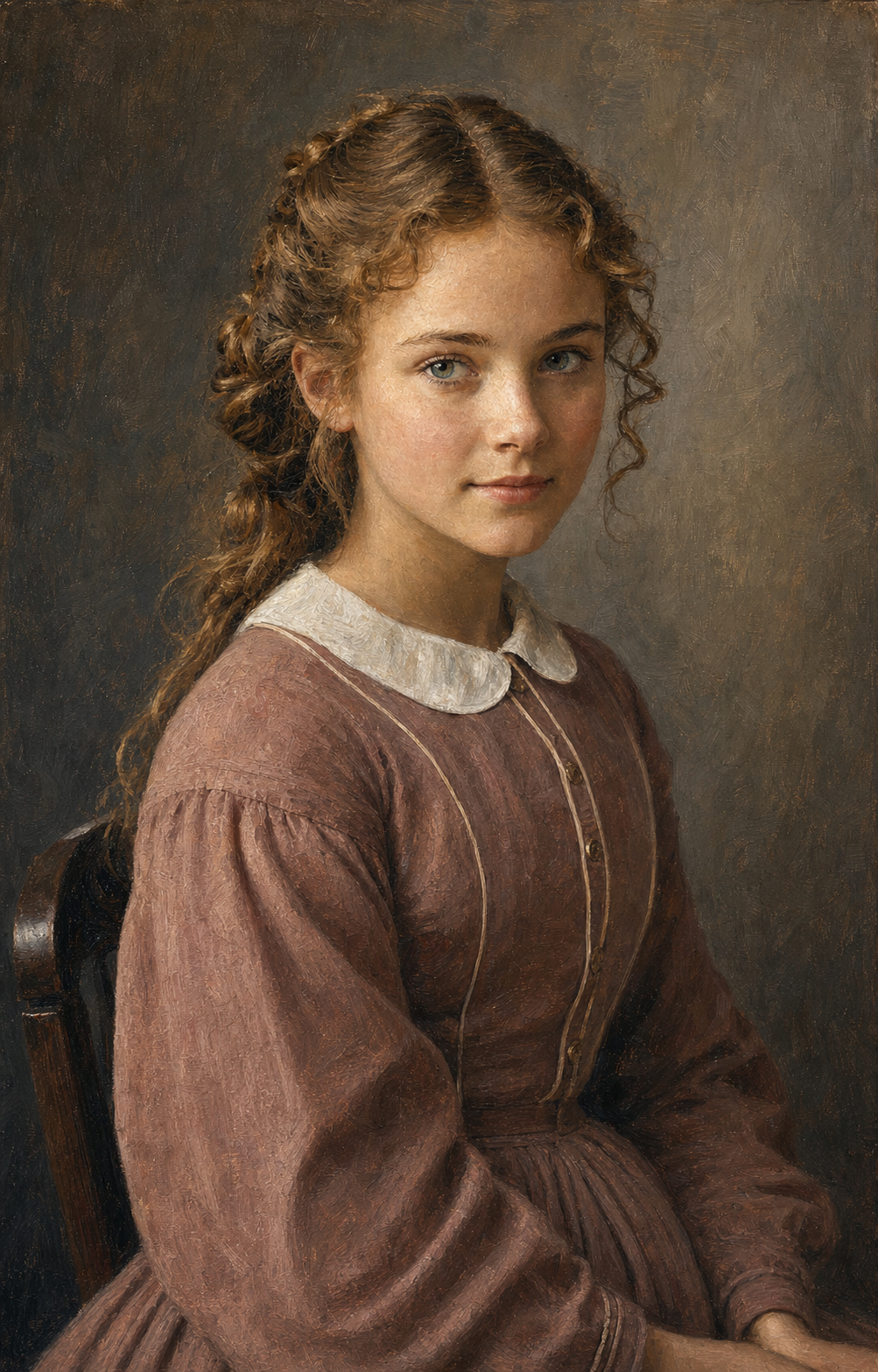
Every reader over 22 gets it. Amy is 12, spoiled, youngest-child, wants to be seen as artistic and European and refined while living in poverty in Massachusetts. She goes to Europe, learns French, learns how to be taken seriously, and makes the most strategic decision in the book: she marries Laurie, yes, but she also marries into stability that lets her keep making art.
Amy says: "I want to be great or nothing." And she means it. In Little Women by Louisa May Alcott, Amy is the one who actually evolves from a selfish kid into a woman who knows what she wants and asks for it clearly. That's growth most people never achieve.
What Order to Read Louisa May Alcott If You Only Know Little Women
Most people don't know Little Women by Louisa May Alcott is actually four books. If you're doing a full reread for fall, do it in this order:
1. Little Women - You are here. Meg, Jo, Beth, Amy, ages 16 to 12, living at home with Marmee.[1868]
2. Good Wives - This was published as a second book but now is usually just the second half of Little Women. This is where Jo says no to Laurie, Meg gets married, Beth gets sick. If you felt like your edition had a weird time jump, this is why.[1869]
3. Little Men - Jo and Professor Bhaer run a school for boys. It's chaotic, wholesome, very "found family" — if you loved the ending of Little Women by Louisa May Alcott where Jo finally gets her school, this is the payoff.[1871]
4. Jo's Boys - The final one. The boys are grown. It's about what happens when your kids grow up and you have to let them go. Louisa May Alcott wrote it 20 years later and it's much more mature.[1886]
7 Lines From Little Women by Louisa May Alcott That Hit Harder in Your 20s
Save these. These are the ones you underline at 25.
1. "I want to be something, or go somewhere." -Jo
The entire ambition spiral in one sentence. Written before women could vote.
2. "Women, they have minds, and they have souls, as well as just hearts." -Jo
The line Greta Gerwig built her whole 2019 adaptation around. Alcott wrote it in 1868.
3. "Watch and pray, dear, never get tired of trying, and never think it possible to fail." -Marmee
Marmee is the original gentle parenting mom. She says this to Jo when Jo is angry at everything.
4. "Love Jo all your days, if you choose, but don't let it spoil you, for it's wicked to throw away so many good gifts because you can't have the one you want." -Marmee
The antidote to limerence. Read that again when you're obsessed with someone unavailable.
5. "I wish I had no heart, it aches so." -Jo
After Beth gets sick. If you've ever grieved while having to keep going, this is it.
6. "I'm not afraid of storms, for I'm learning how to sail my ship." -Amy
Amy says this in Europe. It's the soft life + ambitious girl mantra.
7. "Be worthy love, and love will come." -Alcott herself
Not in the book, but in Louisa May Alcott's letters. She never married. She built a life that made her worthy of her own love first.
The Adaptations That Actually Matter
There are six films and a Broadway musical. You need two.
1994 with Winona Ryder and Christian Bale:
The fall one. The cozy one. This is the Little Women by Louisa May Alcott that feels like your mom's living room, a too-big sweater, and tea that got cold because you were reading. Ryder plays Jo like a real, feral writer girl. Watch it from October to December.
2019 by Greta Gerwig with Saoirse Ronan and Florence Pugh:
The feminist one. The one that finally lets Jo keep her book and not just get a husband. Gerwig understood what Alcott actually wanted: Jo ending with a publishing deal and a school, not just a marriage plot. Florence Pugh as Amy will make you forgive Amy for everything.
Why Little Women by Louisa May Alcott Still Hits Home
Louisa May Alcott wrote Little Women for money. Her publisher asked for "a girls' story." She thought girls' stories were boring. She wrote about her own sisters — Anna, Louisa, Elizabeth, and May her own family's poverty after her transcendentalist father refused to work a normal job, her own refusal to marry.
The themes are:
How do you be ambitious and still be loved?
How do you want to be a good sister without losing yourself?
What do you do when the life you wanted doesn't happen in the order you planned?
Which is the same conversation we're having on BookTok, in your group chat, and in therapy.
Little Women by Louisa May Alcott endures because it's not about 1868. It's about being a girl who is becoming a woman and realizing that becoming is not linear. You will be all four sisters. Sometimes in one day.
And if you needed a sign to reread it - this is it.
We think you'll LOVE this