
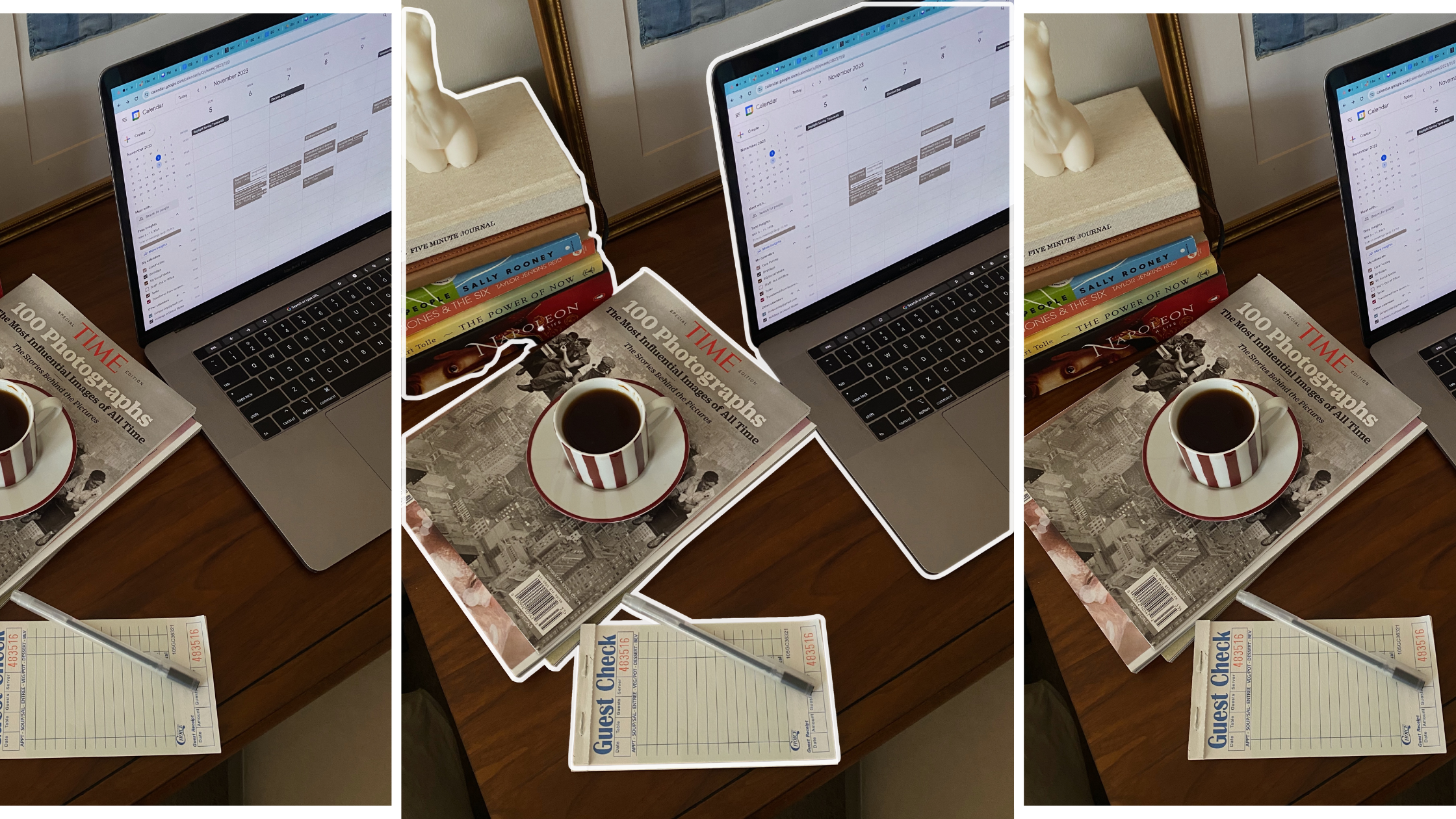
A “low-spend month” doesn’t mean locking yourself in your room and eating dry oats until payday; it means cutting out the ambient, mindless consumerism that drains your bank account without bringing you any actual joy, while aggressively doubling down on high-novelty, low-cost experiences.
Let’s be honest about what usually happens when you decide to get serious about saving money. You download a budgeting app, stare at your past month’s credit card statements in absolute horror, and swear that for the next thirty days, you are going to become a strict, ascetic monk. You cancel your coffee runs, delete Uber Eats, swear off seeing your friends, and resolve to spend every waking minute outside of work sitting in silence on your couch to avoid spending a single dollar.
By Wednesday of the first week, you are so deeply bored, deprived, and miserable that you order a $42 artisanal pizza out of pure spite and spend another $60 on a cart full of things you don’t need because your nervous system is rioting.
We are dropping that cycle. Financial health shouldn’t feel like a punishment doled out by a strict Victorian headmaster. A low-spend month isn’t about hiding inside your apartment like a goblin; it’s a deliberate design choice. It’s an era of financial self-respect where you stop bleeding money on autopilot and start redirecting those funds toward the things that actually make your life feel big, bright, and expensive, even when they cost next to nothing.
Why Budgeting Fails When It Feels Like a Deprivation Diet
Modern financial anxiety is rarely about a lack of discipline; it’s usually the result of using spending as a frantic Band-Aid for an uninspiring routine. When your life lacks novelty and rest, every minor purchase feels like an emergency emotional rescue.
Think about where your money actually leaks. It’s rarely the big, intentional purchases that sneak up on you. It’s the ambient spending, the things you buy because you’re stressed, exhausted, bored, or trying to buy your way out of a Tuesday slump.
The Convenience Tax: You order food delivery because your kitchen routine feels like a chore and your nervous system is fried from a day of corporate emails.
The Boredom Scroll: You open Instagram at 11:00 PM, see an influencer with flawless lighting swearing by a $68 serum or a trendy water bottle, and buy it instantly because your brain is starving for a dopamine hit.
The “I Deserve This” Trap: Because your daily routine feels flat and gray, you use consumerism as a substitute for actual recreation, convincing yourself that a casual Wednesday shopping cart is a legitimate form of self-care.
When you cut spending without upgrading your actual life experience, you’re just white-knuckling your way through a scarcity mindset. To survive a low-spend month with your sanity intact, you have to upgrade your imagination, not just your restrictions. If you’re looking for ways to ground yourself when the scroll gets heavy, checking out a physical book or setting up a cozy reading corner with a chic brass reading lamp can give you that high-end sensory hit for a fraction of the cost of a retail binge.
What Can You Actually Do When You Can’t Just Cut Out Everything?
When you restrict your spending, you have to replace financial transactions with active environmental design so your social life doesn’t flatline entirely.
The biggest mistake people make during a financial reset is thinking they have to become boring. They assume that if money isn’t changing hands, fun isn’t happening. But if your entire social life revolves around $18 cocktails, trendy brunch spots, and shopping malls, you don’t have a lifestyle, you have an expensive subscription model.
To survive a low-spend month, you have to decouple your concept of “fun” from your credit card limit. This requires shifting your perspective from consumption to curation. Instead of asking, “Where can I go buy entertainment today?” you start asking, “How can I manufacture a genuinely good time out of what is already in front of me?”
The Wild List: How to Have an Expensive-Feeling Life on a Micro-Budget
The Wild List delivers hyper-curated, non-preachy recommendations designed to help you break free from passive consumerism and reintroduce luxury, novelty, and intentional effort into your weekly routine without spending your entire paycheck.
If you want to spend less without feeling like you’ve been placed under house arrest, you have to swap passive buying for active curation. Here is how we build a high-vibe week when the budget is locked down:
The Gallery and Bodega Date: Skip the $80 brunch. Go to a local, free art museum or community gallery for an hour, and then walk to a neighborhood bodega to pick up fresh fruit and pastries. Eat them on a park bench while people-watching. It feels entirely European, and your total spend will barely crack ten dollars.
The Library Card Renaissance: Stop buying books you’ll read once and let collect dust. Dust off your local library card (or sign up for one digitally) and check out three physical books that look intimidatingly chic on a nightstand. Pair your reading sessions with a hand-poured soy candle you already own and a kettle of loose-leaf tea.
The At-Home Dinner Party Rewrite: Instead of meeting friends at an expensive restaurant where the bill always balloons because of cocktails and tax splits, host a themed night at home. Ask everyone to bring a $5 ingredient and cook a massive, messy bowl of pasta together while playing an old vinyl record or a custom playlist.
The Thrift Store Character Swap: Take a friend to a local vintage or thrift shop with a strict $15 limit per person. You have twenty minutes to curate a complete, absurd, or brilliant outfit for each other with the explicit rule that you have to wear it out for iced coffee immediately afterward. It destroys financial perfectionism and gives you a core memory for free.
The Sunset Vinyl Picnic: Pack a blanket, a thermos of homemade iced matcha or sparkling water with lemon, and a portable Bluetooth speaker. Head to a local hill or park to watch the sun go down. It forces you out of your apartment and into a sensory environment that costs zero dollars.
Main Character Assignments: Auditing Your Financial Autopilot
Main Character Assignments give you structured, weekly psychological challenges designed to transition you from an unconscious consumer to the intentional author of your own personal narrative.
We aren’t doing passive restriction over here. If you want a low-spend month to feel like an empowering era rather than a punishment, you have to actively take back control of your inputs and impulses.
Assignment 1: The 72-Hour Cart Quarantine. For the entire month, ban yourself from buying anything online on the first impulse. If you see something you want, add it to your cart or a wishlist, close the tab, and force yourself to wait seventy-two hours. If you still genuinely care about it three days later—and it fits your financial goals—you can reevaluate. Ninety percent of the time, the dopamine urge will have completely evaporated.
Assignment 2: The Subscription and Leak Audit. Open your bank statements and look at the silent killers: the apps you never open, the streaming services you forgot you were paying for, the cloud storage upgrades, and the micro-transactions. Cut them ruthlessly. Treat every cancelled subscription as a direct transfer of power back into your own hands.
Assignment 3: The “What Am I Actually Hungry For?” Check-In. The next time you feel the urge to open a shopping app or order delivery out of pure habit, pause for sixty seconds. Ask yourself: Am I actually trying to buy an object right now, or am I lonely, tired, or avoiding a feeling? Give your nervous system what it actually needs. A walk outside, a text to a friend, or twenty minutes of total silence, instead of sending your credit card information into the void.
When you stop letting corporations monetize your boredom, a strange thing happens: your money stays in your account, your days feel sharper and more intentional, and you realize that most of the things that make life feel genuinely magical cost almost nothing at all.